Winter and Heart Health: Essential Tips for Cardiac Patients in Punjab
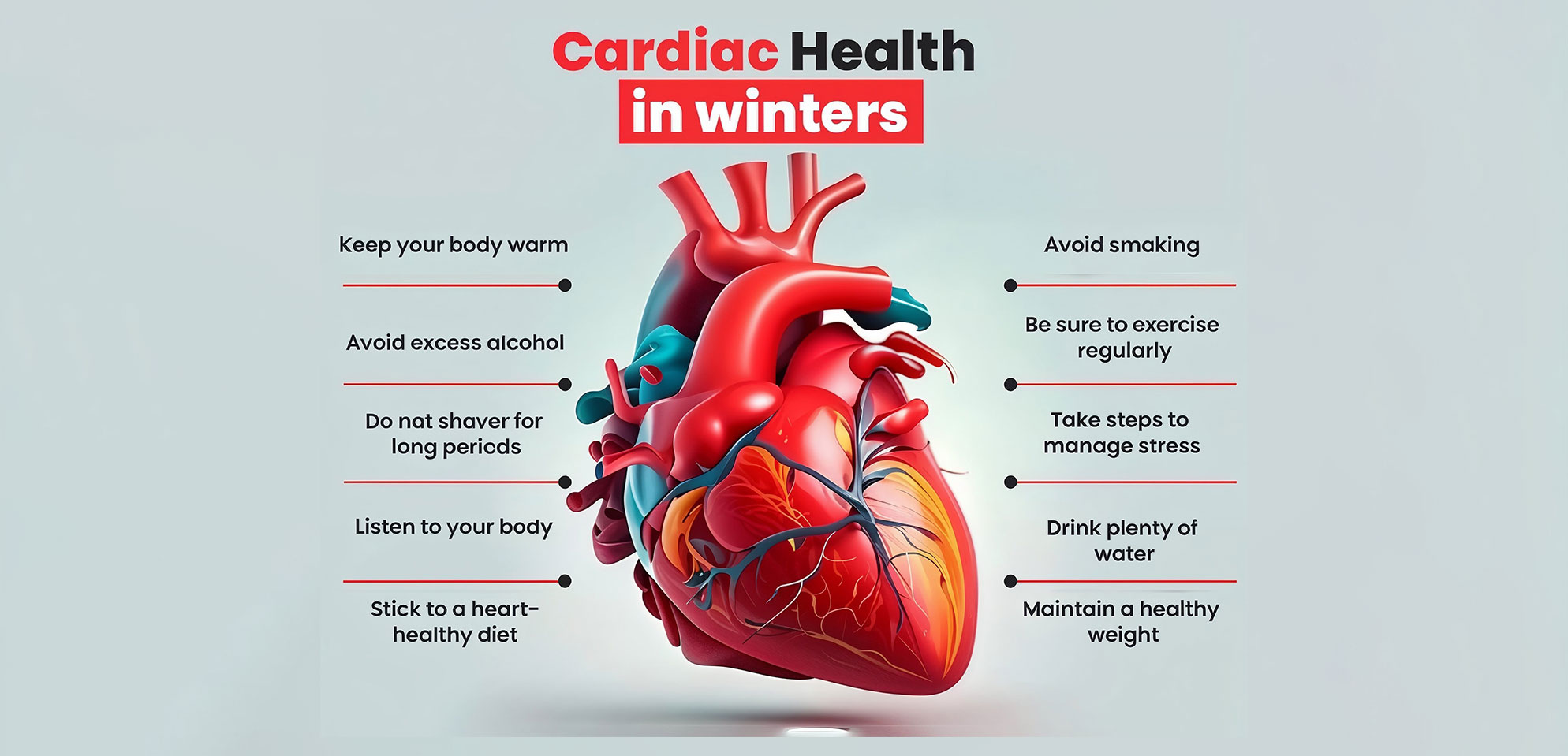
As the chilly winds arrive in Punjab, so does the increased risk of heart-related complications. Winter can be particularly harsh on individuals with existing cardiac conditions, as cold temperatures put extra strain on the heart and blood vessels. Dr. Gurbeer Singh Gill, a renowned heart specialist at Oxford Hospital, Jalandhar, explains how you can protect your heart health during this season.
1. Why Winter Increases the Risk of Heart Problems
Cold weather causes the body’s blood vessels to constrict, which raises blood pressure and makes the heart work harder to pump blood. This can trigger heart attacks or chest pain (angina) in those with underlying heart disease. Additionally, winter mornings often come with poor air quality and smog, especially in Punjab, which further affects heart and lung function.
2. Stay Warm — Don’t Let the Cold Stress Your Heart
Maintaining body warmth is crucial. Always wear layered clothing, especially when stepping outdoors early in the morning or late at night. Protect your head, ears, and hands with warm coverings, as these areas lose heat quickly. Keeping your home warm and avoiding sudden exposure to cold air can prevent unnecessary stress on your cardiovascular system.
3. Watch What You Eat — Winter Diet for a Healthy Heart
Winter often tempts us with rich, fried, and sugary foods. However, cardiac patients should focus on a heart-friendly diet that includes:
- Fresh fruits and vegetables like spinach, carrots, oranges, and amla.
- Whole grains such as oats, brown rice, and millet to maintain good cholesterol.
- Healthy fats from sources like olive oil, flaxseeds, and nuts.
Also, reduce salt and processed food intake to manage blood pressure effectively.
4. Stay Active Indoors
Many people become less active during winter, which can worsen heart health. Light physical activities like indoor walking, yoga, or stretching help maintain circulation and keep your heart strong. Avoid overexertion in very cold conditions, and always warm up before starting your exercise routine.
5. Keep Stress Under Control
Shorter days and cold weather can sometimes lead to mood changes and stress, which indirectly affect heart health. Practice relaxation techniques such as deep breathing, meditation, or spending time with family. Adequate sleep and a positive mindset go a long way in maintaining a healthy heart.
6. Stay Hydrated
People often forget to drink enough water during winter. However, dehydration can thicken the blood and make it harder for the heart to pump efficiently. Make sure to drink adequate fluids like warm water, herbal teas, or soups to stay hydrated.
7. Don’t Skip Medications or Check-Ups
Winter is not the time to neglect your regular medications or health check-ups. Visit your heart specialist regularly to monitor your blood pressure, cholesterol, and sugar levels. Early detection of any change in your condition can prevent serious complications.
8. Limit Alcohol and Quit Smoking
Both alcohol and smoking increase the risk of heart attacks, especially in cold weather. Smoking narrows the blood vessels and reduces oxygen flow to the heart. If you smoke, winter is the perfect time to quit for good — your heart will thank you for it.
9. Recognize Warning Signs Early
Seek immediate medical help if you experience:
- Chest pain or tightness
- Sudden shortness of breath
- Dizziness or sweating
- Pain radiating to the arm, neck, or jaw
Timely medical attention can save lives.
Conclusion
Winter may be beautiful, but for heart patients, it comes with unique challenges. With the right precautions, diet, and lifestyle adjustments, you can enjoy the season safely.
For expert heart care, Dr. Gurbeer Singh Gill is available for consultation at:
- 📍 Oxford Hospital, 305, Lajpat Nagar, Near Nakodar Chowk, Jalandhar (144 001), Punjab, India
- 📞 +91 98550 00028
- 🌐 www.oxfordhospital.co.in